Japanese Cuisine & Sushi Bar
- - - - - - -

When we talk about casinos, the concept of luck is often front and center. For many players, the thrill of spinning the roulette wheel or pulling the lever on a slot machine is intertwined with the hope that fortune will smile upon them. This belief in luck is deeply rooted in the culture of gambling, where luck often dictates the outcome more than strategy or skill. Understanding luck in this context means recognizing that each game operates on probabilities, and while skill can affect gameplay, chance often plays a more significant role in determining the winner, especially when using a real money poker app to enhance your gaming experience.
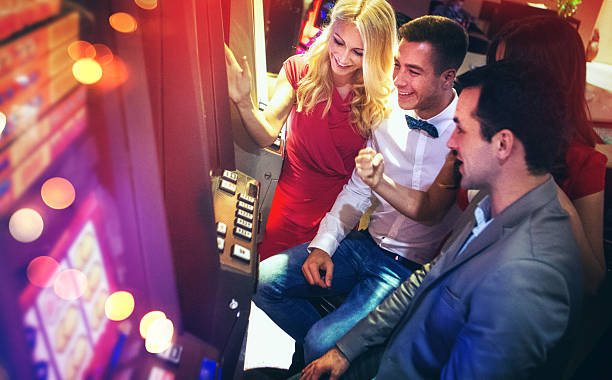
Moreover, the perception of luck can vary from one player to another. Some individuals may rely heavily on superstitions, rituals, or particular number selections, believing that these factors can sway fate in their favor. The thrill of gaming lies not only in the potential for monetary gain but also in the unpredictable nature of luck that can lead to unexpected victories or devastating losses.
While luck is frequently attributed to intangible factors, there is a science that explains its role in casinos. Statistically, games like slot machines and card games are designed to deliver a certain house edge, ensuring that the casino maintains a profit over time. This means that, despite occasional wins, luck is a fickle friend; it can vanish as quickly as it appears. The odds are always stacked against the player in the long run, highlighting that while luck can provide a brief window of success, it is not a reliable strategy for consistent winnings.
Additionally, cognitive biases often further compound the role of luck in gambling. Players may recall their wins more vividly than their losses, leading them to believe they are ‘on a lucky streak.’ This can lure players back to the casino with the alluring promise of future success, underestimating the probability and forgetting the inherent risks associated with gambling.
Although luck is often beyond a player’s control, there are strategies to potentially enhance one’s fortune in a casino setting. For instance, choosing games with better odds or lower house edges can contribute to higher chances of winning. Games like blackjack or poker allow players to use strategy alongside luck, whereas slots are purely dependent on chance. It’s essential for players to educate themselves on the mechanics of each game to maximize their opportunities.
Furthermore, managing one’s bankroll wisely can also play a role in perceived luck. Setting limits and knowing when to walk away can lead to a more positive gambling experience. Players who are disciplined in their approach may find that they have more ‘lucky moments’ as they limit their exposure to losses by playing smarter rather than solely relying on chance.
The psychological aspect of luck in gambling cannot be overlooked. The thrill of the unexpected creates a rush, making players feel alive as they chase what they believe is their next lucky break. This emotional rollercoaster, driven by the highs of winning and the lows of losing, can create a powerful addiction to the gambling experience. Many players are drawn in by the hope that luck will strike again, leading to repeat visits to the casino.
Moreover, this obsession can lead to distorted views regarding luck and skill. Some players may disregard the odds and continue to gamble, convinced they can change their luck through persistence. Understanding the psychological hooks of gambling is essential for players who seek a more balanced relationship with their gaming habits. Recognizing that luck is only one piece of the puzzle can help them maintain a healthier approach to casinos.

The marketing strategies employed by casinos frequently exploit the concept of luck to draw in patrons. Advertisements showcasing massive jackpots and testimonials of life-changing wins create an alluring illusion that luck is around every corner. This can compel individuals to visit casinos, driven by the dream that they could be the next big winner.
Casinos also capitalize on players’ emotions through immersive experiences, ensuring that the environment feels exciting and lucky. From flashy lights to upbeat music, the atmosphere is designed to enhance the player’s perception of luck. As a result, many find themselves entrapped in the fantasy of hitting it big, often overlooking the reality of statistical probabilities and the fundamental nature of gambling games.