Japanese Cuisine & Sushi Bar
- - - - - - -

Recovery goes beyond medical interventions to include psychological healing and getting back into social situations. Your genetics, how severe your underlying rosacea is, https://konsultint.com/6-traits-of-covert-narcissism what medications you take, and your overall health all influence sensitivity. When you drink alcohol while dealing with other triggers, the effects can pile up. Drinking while getting sun exposure, eating spicy foods, or during stressful periods produces more severe reactions than any single trigger alone. Hot alcoholic drinks like mulled wine or hot toddies combine multiple triggers at once.
To understand how rosacea can lead to rhinophyma, it’s important to understand what rosacea is, its symptoms, and how it develops. People who regularly consume alcohol may notice nosebleeds during dry seasons, illness, or after heavy drinking episodes. When a purple nose doesn’t fade, it’s often a sign that medical evaluation—not just skincare—is needed. A nose that looks Sober living house purple or deep red usually signals more advanced changes beneath the skin. Chronic inflammation and long-standing blood vessel damage affect how oxygen moves through the tissue, which alters color. Red wine, beer, and spirits containing histamines or sulfites tend to trigger stronger reactions.
The commonly presumed link between excessive alcohol consumption and rhinophyma (alcoholic nose) causes additional social challenges for people living with rhinophyma. Rhinophyma is a type of rosacea, a long-term skin condition that primarily alcoholic nose affects the face. While the condition is more common in women, rosacea symptoms are often more severe in men.
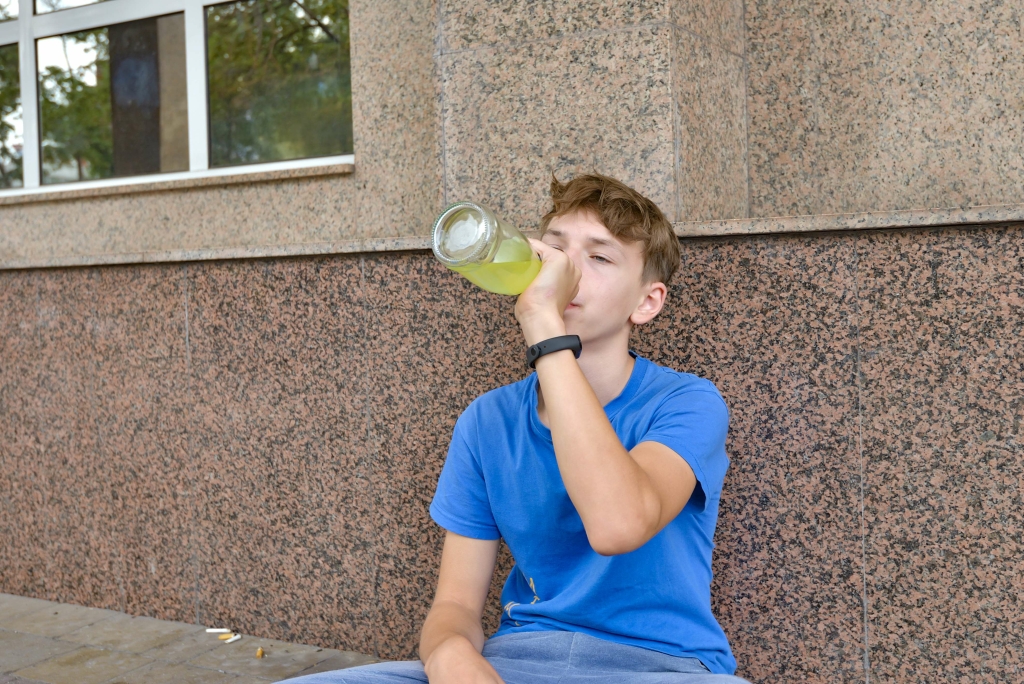

Although rosacea itself is more common in women than men, the specific side effect of rhinophyma happens more often in men than women. The eyes can also be affected by a specific type of rosacea known as ocular rosacea. In some cases, people may experience ocular rosacea before symptoms on the skin begin. Those who struggle with rhinophyma might feel awkward seeking medical treatment and worry about others incorrectly labeling them as alcoholics or assuming they have a drinking problem. Now, more studies have shown that alcoholism is not necessarily the cause of rhinophyma.

Dermatologists specializing in rosacea can provide effective treatment options, while addiction specialists can address any substance use issues that may be complicating the situation. Starting treatment early in the course of rosacea can help prevent progression to more severe forms like rhinophyma. Early treatment typically involves topical medications, lifestyle modifications to avoid triggers, sun protection measures, and regular monitoring by a dermatologist.
Early intervention can prevent irreversible damage and improve overall quality of life, including the reduction of skin-related symptoms like nasal redness. Comparatively, other factors like sun exposure and rosacea can also cause facial redness, but alcohol-induced dilation is unique in its direct link to consumption patterns. This distinction highlights the importance of distinguishing between these conditions when seeking treatment. For instance, while sunscreen is essential for sun-related redness, abstaining from alcohol is the most effective approach for addressing alcohol-induced dilation. To mitigate the risk of developing a red nose from alcohol, moderation is key.
On tärkeää luoda kattava suunnitelma, joka huomioi kaikki mahdolliset riskit. Viranomaisyhteistyö ja asiantunteva neuvonta ovat avaintekijöitä onnistuneessa strategian toteutuksessa. Tavoitteena on vähentää uhkia, jolloin voimme toimia rauhallisesti ja luottavaisin mielin.
Ajankohtaiset haasteet edellyttävät erilaisten skenaarioiden huomioimista. Vahva turvallisuuskulttuuri auttaa yhteisöä sopeutumaan muuttuviin olosuhteisiin. Luotettavan tiedon jakaminen viranomaisten kesken mahdollistaa nopean reagoinnin mahdollisiin uhkiin ja parantaa valmiuksia yllättävissä tilanteissa.
Varaudumme yhdessä luodun verkoston avulla, joka koostuu eri toimijoista. Tällainen yhteistyö lisää resurssejamme ja auttaa meitä vahvistamaan valmiuksiamme. Lisätietoja ja ajankohtaisia uutisia löytyy osoitteesta https://puistobluesfi.com/.
Pelastussuunnitelma on avainasemassa turvallisuuden takaamisessa. Tapahtuman järjestäjien tulee kartoittaa mahdolliset riskit jo ennen tilaisuuden alkua. Tämä vaihe sisältää erilaisten uhkien, kuten sääolosuhteiden, väkivallan tai teknisten ongelmien tunnistamisen. Varautuminen alkaa tiedon keräämisestä ja asiantuntevien arvioiden tekemisestä eri riskitekijöistä.
Riskien arvioiminen edellyttää yhteistyötä kaikkien toimijoiden kesken. Järjestäjien, pelastusviranomaisten ja turvallisuusalan asiantuntijoiden on yhdessä määritettävä mahdolliset uhat ja niiden vaikutukset. Tämä yhteinen analyysi auttaa rakentamaan kattavan pelastussuunnitelman, joka sisältää ennakoivia toimenpiteitä. Hyvä varautuminen tarkoittaa myös säännöllisiä harjoituksia ja koulutuksia tiimille, jotta kaikki tietävät roolinsa kriisitilanteissa.
| Riskitekijä | Arvioitu vaikutus | Toimenpiteet |
|---|---|---|
| Sateet | Vähemmän osallistujia | Varasateiden varalta teltat ja suoja-alueet |
| Väkivalta | Osallistujien turvallisuus vaarassa | Poliisin ja vartijoiden läsnäolo |
| Tekniset ongelmat | Äänentoiston tai valojen toimintahäiriö | Varajärjestelmät ja tekninen tuki |
Turvallisuuden varmistamiseksi on olennaista kehittää pelastussuunnitelma, joka huomioi kaikki mahdolliset vaarat. Tämä suunnitelma auttaa vähentämään riskejä sekä suojaa niin henkilöitä kuin omaisuutta. Kattava arvio ympäristön uhista on ensimmäinen askel kohti tehokasta varautumista.
Yksi keskeinen osavarautumista on koulutus. Järjestämällä säännöllisiä harjoituksia voidaan parantaa henkilöstön valmiuksia toimia hätätilanteissa. Tällaiset simuloidut tilanteet mahdollistavat nopean reagoinnin ja toimintakyvyn kriisitilanteissa.
Suojatoimien tulee olla monipuolisia. Rakennusten on oltava varusteltuja turvallisuusjärjestelmillä, kuten palohälyttimillä ja turvakameroilla. Lisäksi pääsy alueelle voidaan rajoittaa kulunvalvontajärjestelmien avulla, mikä lisää turvallisuutta.
Viestintä on keskeinen tekijä, kun puhutaan vaaratilanteista. Selkeät ohjeet ja nopea tiedottaminen auttavat ehkäisemään paniikkia. Tiedonvälitys eri kanavien, kuten sosiaalisen median, kautta mahdollistaa laajemman tavoittavuuden.
Yhteistyö viranomaisten kanssa rikastuttaa varautumiseen liittyvää osaamista. Liityntä paikallisiin pelastuspalveluihin varmistaa, että tarvittaessa resurssit ovat käytettävissä tehokkaasti. Tällaisella synergialla saadaan aikaan kestävämpää turvallisuutta.
Henkilöstön koulutus on ensisijainen keino parantaa turvallisuutta eri ympäristöissä. Työntekijöiden on ymmärrettävä pelastussuunnitelma ja sen merkitys hätätilanteissa. Koulutukseen kuuluu myös käytännön harjoituksia, jotka valmistavat henkilökuntaa reagoimaan nopeasti ja tehokkaasti erilaisiin vaaratilanteisiin.
Oikea ja kattava valistus on avainasemassa, kun pyritään vähentämään onnettomuuksia. Viranomaisyhteistyö tarjoaa keskeisiä resursseja ja asiantuntemusta, joiden avulla henkilöstöä voi kouluttaa ajankohtaisista turvallisuusaiheista. Tällaiset yhteistyöprojektit lisäävät osaamista ja varmistavat, että henkilöstö tuntee lainsäädännön vaatimukset.
Koulutuksen tulee olla jatkuvaa. Muuttuvat olosuhteet ja uudet haasteet vaativat henkilökuntaa päivittämään taitojaan säännöllisesti. Tämän vuoksi on välttämätöntä järjestää koulutussessioita sekä harjoituksia, jotka käsittelevät uusia riskejä ja turvallisuusratkaisuja.
Viraston ja organisaation välinen kommunikaatio on elintärkeää. Selkeä viestintä varmistaa, että kaikki ymmärtävät omat vastuunsa ja tehtävänsä turvallisuuden ylläpitämiseksi. On myös tärkeää luoda kanavia palautteen antamiseksi ja vastaanottamiseksi, jotta kaikki voivat osallistua jatkuvaan kehittämiseen.
Yhteistyö paikallisten viranomaisten kanssa voi tarjota lisäresursseja vaaratilanteiden hallintaan. Tämä yhteistyö voi sisältää yhteisiä harjoituksia, koulutustilaisuuksia ja resursseja, joita voidaan jakaa eri organisaatioiden kesken. Tällaiset toimet vahvistavat yhteisön valmiuksia ja parantavat kaikkien osapuolten turvallisuutta.
Koulutuksen ja valistuksen avulla voidaan estää onnettomuuksia ja parantaa turvallisuusvalmiuksia. Henkilöstön sitoutuminen koulutukseen ja viranomaisyhteistyöhön luo turvallisuutta tukevan ympäristön. On tärkeää, että jokaista työntekijää rohkaistaan ottamaan aktiivinen rooli turvallisuuden edistämisessä.
Pelastussuunnitelman laadukkaassa raportoinnissa vaaditaan säännöllistä arviointia. Varautuminen ei ole vain kerran toteutettava prosessi, vaan jatkuva kehitys, jossa opitaan aikaisemmista kokemuksista. Arvioinnissaan on tärkeää tunnistaa heikkoudet ja vahvuudet, jotta turvallisuus paranee. Tämä edellyttää suunnitelman säännöllistä päivitystä ja yhteisten käytäntöjen vahvistamista.
Turvallisuuden varmistamiseksi on tärkeää, että suunnitelma elää ja mukautuu muuttuvissa olosuhteissa. Jatkuva raportointi antaa mahdollisuuden kehittää toimintatapoja ja parantaa koko organisaation turvallisuutta pitkäjänteisesti.
Puisto Bluesin turvallisuussuunnitelmassa keskeisiä riskejä ovat esimerkiksi tulipalot, väkivaltaiset tapahtumat ja luonnononnettomuudet. Näiden riskien minimointi tapahtuu säännöllisellä koulutuksella, turvallisuusprotokollien aallonhyökkäyksellä ja asianmukaisten turvalaitteiden käyttämisellä. Kiinnittämällä huomiota riskien tunnistamiseen ja arvioimiseen voidaan kaavoittaa toimia riskien vähentämiseksi.
Mahdollisten turvallisuusriskien ennakoiminen tapahtuu kattavalla riskianalyysillä ja säännöllisellä turvallisuustarkastuksella. Ennen tapahtumaa kerätään tietoa aiemmista tapahtumista, arvioidaan ympäristön olosuhteet ja otetaan huomioon paikalliset turvallisuussuunnitelmat. Lisäksi luodaan yhteistyötä paikallisten viranomaisten kanssa mahdollisten uhkien arvioimiseksi.
Turvallisuussuunnitelma sisältää erilaisia koulutuksia, kuten ensiapukurssit, väkivaltatilanteen hallinta- ja de-escalointikoulutukset sekä evakuointiharjoitukset. Tavoitteena on varmistaa, että tapahtuman henkilökunta osaa toimia kaikissa mahdollisissa kriisitilanteissa ja että heillä on tarvittavat taidot uhkien käsittelemiseksi.
Tapahtuman aikana turvallisuussuunnitelma kommunikoi asiakkaille eri kanavien kautta, kuten informaatiopisteiden, julisteiden, sosiaalisen median ja tapahtuman verkkosivujen avulla. Lisäksi turvallisuus henkilökunta on koulutettu nopeaan ja selkeään viestintään, mikä auttaa asiakkaita pysymään tietoisina tapahtuman turvallisuusohjeista.
Tapahtuman jälkeiset arvioinnit ovat olennainen osa turvallisuussuunnitelmaa. Ne sisältävät palautteen keruun henkilökunnalta ja asiakkailta, onnettomuuksien ja läheltä piti -tilanteiden analysoinnin sekä suositusten toteuttamisen tuleviin tapahtumiin. Tämän avulla kehitetään jatkuvasti turvallisuussuunnitelmaa ja parannetaan sen tehokkuutta.
They’re supposed to announce the end (and new beginning) of achapter in a person’s life, and it may be hard to translate thissignificance into words. Life is about moving on and I think it is my time to say to goodbye. Tomorrow will be my last day at Infinite Solutions and also the last day when we will sharing our desks and having lunch together. I must say that I found a true friend at work in you and I am really grateful.
As per our lease agreement, I will ensure thorough cleaning prior to departure and return all keys promptly upon leaving. In case there are any specific instructions regarding move-out procedures, please let me know. I am writing this letter with mixed emotions as it marks the end of my tenancy at address. Due to unforeseen circumstances beyond my control, it is with how to write a goodbye letter regret that I must notify you of my intention to vacate the premises on date.

Download and edit today; say goodbye in a clear, respectful and professional manner. Writing a farewell letter can be an emotional experience, whether you are bidding farewell to a friend, a colleague, or a loved one. Choosing the right words to say goodbye is essential to https://ecosoberhouse.com/ convey your emotions and leave a lasting impression. In this guide, we will explore both formal and informal ways to say goodbye in a letter, along with tips, examples, and regional variations. Your farewell letter email should take on an overall positive attitude and tone. Show gratitude for your experience with the company and the opportunity to work with talented individuals.
While I am excited about the future endeavours that await me, it is with sadness. My time here, at (name of the company), has been marked with both triumphs and challenges. I will cherish and remember the many friendships I have made during my tenure here. I will be grateful for the opportunity that I Substance abuse had to work with you. Here are a few sample farewell letters based on the occasion or person.
Whether you’ve been together months or years, whether you’re parting amicably or through pain, these letters help you say goodbye in a way that brings peace to both of you. As I prepare to move on to the next phase of my career, I cannot leave without expressing my gratitude for the invaluable guidance and wisdom you have shared with me. Your mentorship has been instrumental in my professional growth, and I will always carry the lessons you’ve taught me. As you prepare to embark on this new chapter in your career, I wanted to take a moment to express my heartfelt appreciation for all that you have contributed to our team. Your dedication, professionalism, and camaraderie have left a lasting impact on all of us. Remember, Spell can be a great tool to draft and refine your goodbye letter, making the process smoother and more efficient.
Remember, it’s important to provide adequate notice and communicate your intentions clearly. When it comes to writing your letter of intent to vacate, there are a few key elements that you’ll want to include. First and foremost, be sure to clearly state your intention to move out of the apartment. This is important so that there is no confusion about your departure date. Regardless of the specific reason behind your decision, it’s important to approach writing your letter of intent with professionalism and clarity. Remember that this document serves as official notice, so make sure to clearly state your intention to vacate the premises by providing an exact moving-out date.
Thank you for believing in me, and I hope our paths will cross again in the future. Spencer has spent 10+ years building products and growing startups like Buffer, UserTesting, and Bump Health. After working remote-first for many years, he realized the importance of writing great docs. And now he’s helping other teams use AI to do the same with Spell.
I am confident that the skills and experience I have gained here will serve me well in my future endeavours. I am grateful for the lessons I have learned and the relationships I have built, and will always look back on my time at insert company name with fondness. Access our full collection of 150+ goodbye letter templates, plus worksheets to help you craft your own personal farewell. Each template is designed to provide respectful closure while expressing your authentic emotions.
Your withdrawal symptoms will be at their worst for the first 48 hours. They should gradually start to improve as your body begins to adjust to being without alcohol. One thing to remember is that detox is not an addiction treatment, although it may be the first step toward recovery for many people. Detox is a medical intervention that treats the physical and emotional symptoms of withdrawal, but it does not often prioritize recovery skills. Addiction treatment programs that do not offer detox may require someone to complete detox prior to being admitted to the treatment program.
Reconstruction of relationships is crucial to recovery because addiction puts a strain on relationships with loved ones, peers, and workmates. The secret to dealing with triggers and cravings is to educate patients to identify those triggers for their urges and to learn healthy coping techniques. The therapist and patient collaborate to identify situations at high risk and to bring valuable skills to handle urges and prevent relapse. Art and music therapy offer creative outlets for expressing emotions and processing experiences in non-verbal ways.

You should avoid pubs and liquor stores and dispose alcohol detox of any alcoholic beverages in your house. Making alcohol harder to get can improve the odds of a successful detox. At-home detox can be an intense experience, and it is not recommended to undergo alcohol detox on your own. Everyone who undergoes alcohol detox will have a different experience.

At Liberty House, we have helped many people complete their detox from alcohol in a safe and comfortable environment. While the detox usually takes seven to ten days, detox is given alongside holistic therapies to help you focus on recovery in the long run and offer a support network. We medically monitor our clients throughout the process and provide around-the-clock care and drug addiction monitoring.