Japanese Cuisine & Sushi Bar
- - - - - - -

The journey of casinos tracing their historical evolution through time
The history of gambling dates back thousands of years, with evidence of dice games found in ancient civilizations such as Mesopotamia and Egypt. These early forms of gambling were often intertwined with religious practices, reflecting a cultural acceptance of chance and fate. The ancient Romans and Greeks also engaged in gambling, using various methods to place bets, often on chariot races and gladiatorial contests. As players explore their options, they may discover that a fast payout casino can significantly enhance their gaming experience.
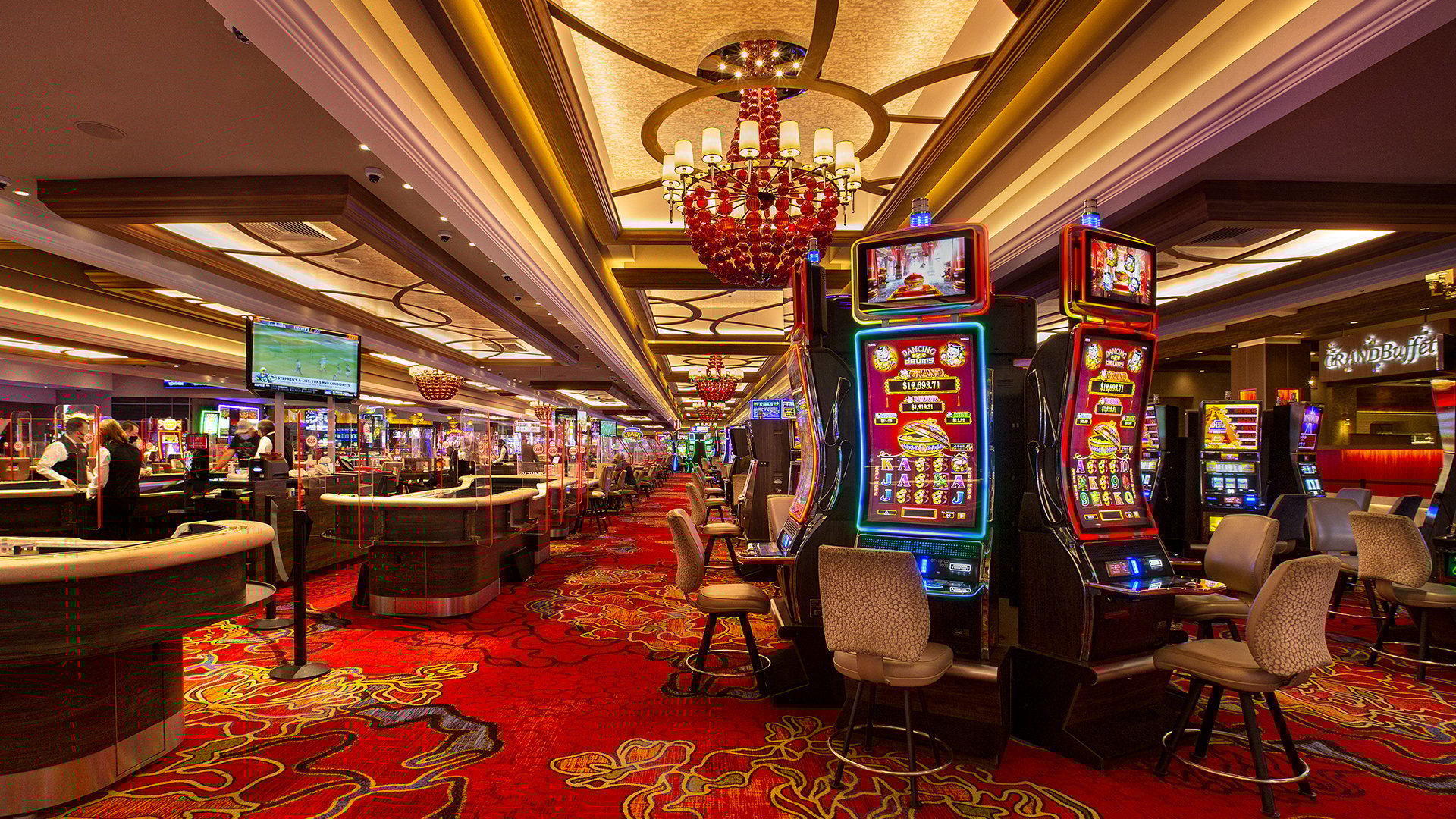
As societies evolved, so did their gambling practices. The introduction of card games in the 14th century marked a significant shift, leading to more structured forms of betting. The popularity of these games spread across Europe, setting the stage for the development of modern casinos.
The first official casino, the Casino di Venezia, opened its doors in 1638 in Venice, Italy. This establishment offered a variety of games and marked the beginning of a new era in gambling. Other cities soon followed suit, with casinos popping up in major European hubs, each offering their unique charm and array of games.
By the 19th century, casinos became synonymous with luxury and entertainment. The Monte Carlo Casino in Monaco emerged as a glamorous destination, attracting the elite and wealthy. This era solidified the perception of casinos as extravagant venues where people could indulge in both gaming and social activities.
The introduction of casinos in the United States began in the early 19th century, with establishments in New Orleans leading the way. The American Wild West was famous for its saloons, where gambling was a popular pastime. However, it wasn’t until the mid-20th century that Las Vegas transformed into the gambling capital of the world.
The legalization of gambling in Nevada in 1931 paved the way for the development of mega-casinos, offering not just gaming but a complete entertainment experience. This shift influenced global perceptions of casinos, positioning them as a central entertainment hub rather than merely gaming venues.
The late 20th century witnessed a significant transformation in the casino landscape with the advent of the internet. Online casinos began to emerge in the mid-1990s, allowing players to gamble from the comfort of their homes. This new format attracted a diverse audience and revolutionized the gambling industry.
Online casinos offered various games, from traditional table games to innovative slot machines. The convenience of online gaming led to an explosion in popularity, resulting in the establishment of regulations to ensure fair play and secure transactions. This digital evolution continues to shape the future of gambling as technology advances.

Today’s casinos encompass a blend of traditional and modern gaming experiences. Physical casinos have adapted by incorporating technology, enhancing customer engagement through interactive gaming and loyalty programs. Meanwhile, online platforms have become sophisticated, with live dealer games providing a real-time casino experience.
The rise of fast payout casinos has emerged as a key trend, catering to players seeking quick access to their winnings. This focus on user experience and technological integration represents the latest evolution in casino history, ensuring that gambling remains accessible and enjoyable for a broad audience.